

5 fascinating facts about Emily Carr University every prospective student should know
Emily Carr University of Art + Design has built a global reputation for producing some of Canada's most influential artists, designers and creative professionals. But beyond its modern campus and innovative programmes lies a rich history that many prospective students may not know.
Named after one of Canada's most celebrated artists, the university has evolved from a small art school into an internationally recognised institution specialising in art, design, media and creative technologies.
Whether you're considering studying creative subjects in British Columbia or simply interested in the university's history, here are five fascinating facts that explain why Emily Carr University continues to stand out.
1. The university wasn't always called Emily Carr University
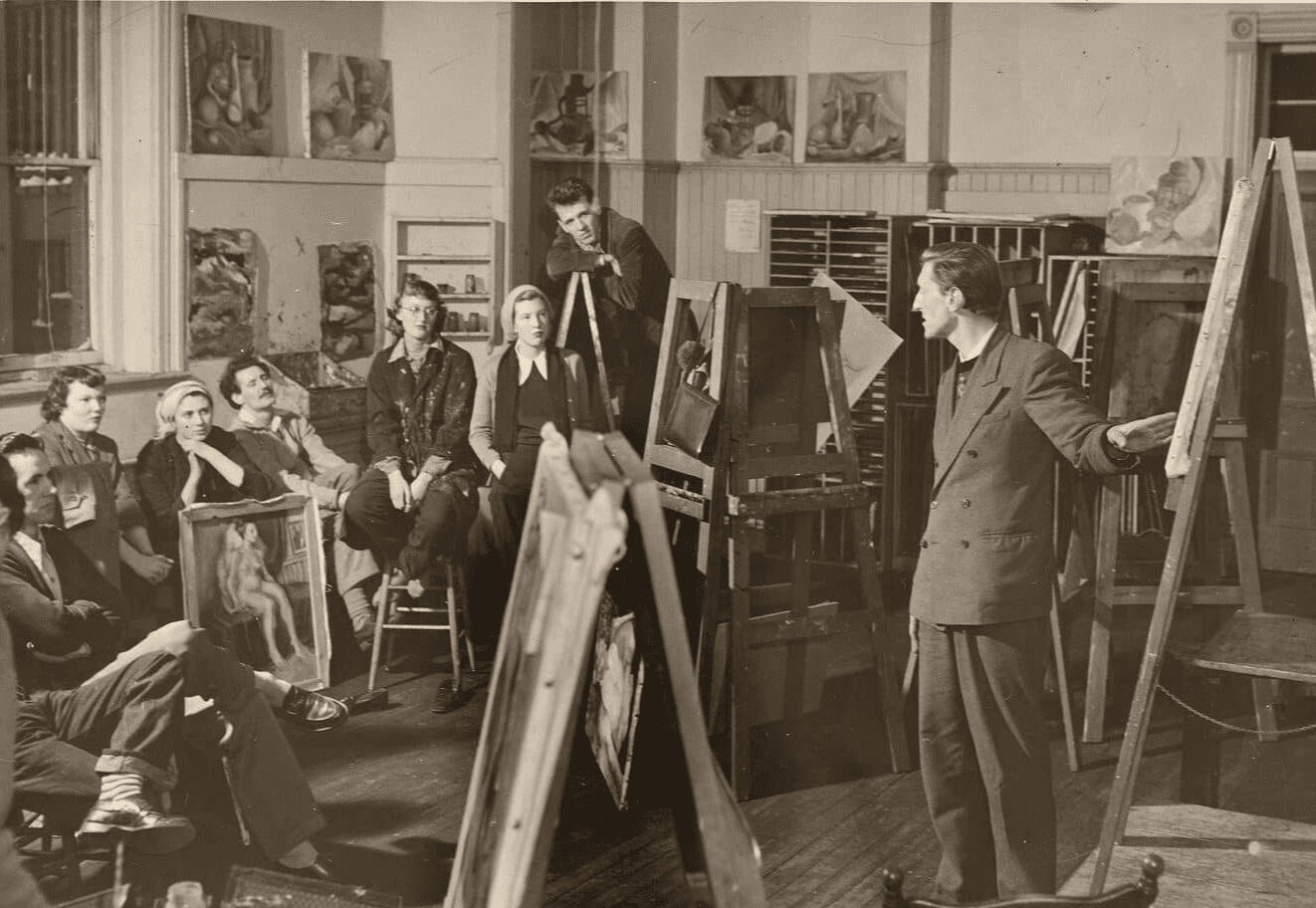
When it first opened in 1925, the institution was known as the Vancouver School of Decorative and Applied Arts.
Its original mission was to prepare students for careers in applied arts, commercial design and craftsmanship at a time when formal creative education opportunities in British Columbia were limited.
Over the decades, the institution expanded its academic offerings before eventually adopting the name Emily Carr University of Art + Design in honour of the renowned Canadian artist.
The change reflected both its growing reputation and its commitment to creative innovation.
2. It is named after one of Canada's most influential artists
Emily Carr is widely regarded as one of Canada's greatest painters and writers.
Her work documenting British Columbia's landscapes and Indigenous cultural heritage helped shape Canadian art during the twentieth century.
Naming the university after Carr reflects its commitment to creativity, exploration and artistic excellence while celebrating one of the province's most important cultural figures.
Today, students continue to draw inspiration from her legacy of experimentation and independent thinking.
3. It has become a leader in creative technology
Although traditionally associated with fine arts, Emily Carr University now offers programmes that extend well beyond painting and sculpture.
Students can study areas including:
- Animation
- Film and screen arts
- Industrial design
- Interaction design
- Digital media
- Photography
- Visual communication
- Game design
The university has increasingly integrated emerging technologies into its curriculum, preparing graduates for careers across the creative economy.
4. Collaboration is central to student learning
Unlike many traditional universities, Emily Carr places a strong emphasis on interdisciplinary collaboration.
Students frequently work across different creative disciplines, allowing artists, designers and media specialists to develop projects together.
This mirrors the way creative industries increasingly operate, where professionals from multiple backgrounds collaborate on everything from films and video games to product design and public art installations.
5. Its Vancouver campus was designed for creativity
The university's current campus in Vancouver's Great Northern Way district was purpose-built to encourage collaboration and creative experimentation.
Flexible studio spaces, fabrication labs, digital production facilities and exhibition areas allow students to move between traditional artistic practice and emerging technologies throughout their studies.
The campus also places students close to Vancouver's growing creative and technology sectors, providing opportunities for partnerships and industry engagement.
Why Emily Carr University stands out
Emily Carr University has earned an international reputation by combining artistic tradition with contemporary innovation.
Students benefit from:
- Studio-based learning
- Small creative communities
- Industry partnerships
- Access to professional equipment
- Opportunities for interdisciplinary collaboration
- Programmes aligned with creative industries
For students pursuing careers in design, animation, digital media or fine arts, the university offers an environment built around experimentation and practical learning.
What prospective students should know
Creative education differs from many traditional university pathways.
Admission to Emily Carr University often considers portfolios alongside academic achievement, allowing applicants to demonstrate their artistic potential as well as their educational background.
Prospective students should research programme requirements carefully, develop a strong portfolio and explore the wide range of creative disciplines available before applying.
The wider context
Canada's creative industries continue to expand across fields including animation, gaming, digital media, architecture and industrial design.
Universities such as Emily Carr play an increasingly important role in preparing graduates for careers that combine artistic creativity with technology and innovation.
As demand grows for designers, visual storytellers and creative problem-solvers, institutions specialising in creative education are becoming an important part of Canada's higher education landscape.
Whether known for its century-long history, its namesake artist or its modern approach to creative learning, Emily Carr University continues to inspire new generations of artists and designers from Canada and around the world.
Sources:
Vancouver Is Awesome, "5 things you probably didn't know about Emily Carr University of Art + Design". https://www.vancouverisawesome.com/history/5-things-you-probably-didnt-know-about-emily-carr-university-of-art-design-12567295
Emily Carr University of Art + Design, About the University. https://www.ecuad.ca/about
Emily Carr University of Art + Design, Programmes and Admissions. https://www.ecuad.ca/academics
The Canadian Encyclopedia, Emily Carr. https://www.thecanadianencyclopedia.ca/en/article/emily-carr
