

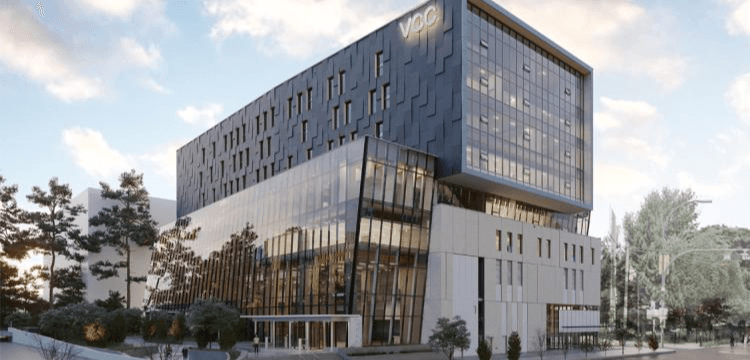
VCC launches new automotive training programmes to prepare students for clean energy careers
As Canada's automotive industry accelerates towards electric vehicles and low-emission technologies, Vancouver Community College (VCC) has introduced two new automotive training programmes designed to prepare students for the next generation of transportation careers.
The new programmes focus on developing practical skills in electric vehicle (EV) technology, hybrid systems and clean energy automotive maintenance, helping future technicians meet the changing needs of employers across British Columbia.
For students considering careers in the skilled trades, the initiative offers an opportunity to gain industry-relevant experience in one of Canada's fastest-growing sectors.
Here is what the new programmes include, why they matter and how they support the future of automotive education.
Meeting the growing demand for EV technicians
The automotive industry is undergoing one of its biggest transformations in decades as governments, manufacturers and consumers increasingly adopt electric vehicles.
British Columbia has been at the forefront of this transition through policies encouraging zero-emission vehicles and investment in clean transportation infrastructure.
As more EVs enter the market, employers require technicians with specialised knowledge in high-voltage electrical systems, battery technology, diagnostics and vehicle software.
VCC's new programmes aim to help address this skills gap by preparing graduates for careers in an evolving automotive workforce.
What the new programmes will teach
Students enrolled in the programmes will receive hands-on training using modern automotive equipment and technologies.
Key areas of study include:
- Electric vehicle systems
- Hybrid vehicle maintenance
- High-voltage safety procedures
- Battery diagnostics and servicing
- Electronic vehicle systems
- Automotive diagnostics
- Sustainable transportation technologies
Alongside technical skills, students will also develop problem-solving and workplace competencies valued by employers across the automotive industry.
Why clean energy skills are becoming essential
Electric vehicles are becoming an increasingly important part of Canada's transportation future.
As governments introduce policies to reduce emissions and manufacturers expand their EV offerings, the demand for qualified technicians continues to grow.
Training in clean energy technologies enables graduates to work on both current and emerging vehicle platforms while adapting to future industry developments.
For students entering the workforce today, these skills can improve employability and open opportunities across dealerships, independent repair shops, fleet operators and specialised EV service providers.
Supporting British Columbia's workforce needs
The launch of the programmes also supports British Columbia's broader workforce development strategy.
The province has invested in initiatives designed to prepare workers for careers linked to clean energy and sustainable technologies.
Post-secondary institutions such as VCC play an important role in ensuring graduates possess the technical expertise required to support industries experiencing rapid technological change.
By aligning education with employer needs, colleges can help reduce skills shortages while improving graduate employment outcomes.
Why skilled trades remain in high demand
Although digital careers often receive significant attention, skilled trades continue to offer strong employment opportunities across Canada.
Automotive service technicians remain among the occupations expected to benefit from:
- Growing demand for vehicle maintenance
- Expansion of electric vehicle adoption
- Advances in automotive technology
- Increasing need for specialised diagnostics
- Retirement of experienced tradespeople
As vehicle technology becomes more sophisticated, employers are increasingly seeking technicians with formal training in both conventional and electric vehicle systems.
What this means for prospective students
For students interested in practical, hands-on careers, VCC's new programmes provide another pathway into an industry undergoing significant transformation.
Graduates will gain skills that are relevant not only today but also as Canada's transportation sector continues moving towards lower-emission technologies.
The combination of traditional automotive knowledge and specialised EV training positions students to work across a broad range of automotive environments.
The wider context
The introduction of VCC's automotive training programmes reflects a broader shift taking place across higher education.
As industries evolve through technological innovation and sustainability initiatives, colleges and universities are increasingly adapting programmes to meet future workforce requirements.
The automotive sector is one of the clearest examples of this transition, with electric vehicles reshaping the skills employers expect from new technicians.
For prospective students, VCC's latest programmes represent more than just new courses. They provide an opportunity to enter a growing profession while contributing to Canada's transition towards cleaner transportation and a more sustainable economy.
Sources:
Vancouver Community College, Automotive Service Technician programmes. https://www.vcc.ca/
CleanBC, Clean transportation and workforce initiatives. https://cleanbc.gov.bc.ca/
Government of British Columbia, CleanBC Roadmap to 2030. https://www2.gov.bc.ca/gov/content/environment/climate-change/cleanbc
Vancouver Community College, "VCC launches automotive training programs to provide future industry workers with in-demand clean energy skills". https://educationnewscanada.com/article/education/level/colleges/2/1211273/vcc-launches-automotive-training-programs-to-provide-future-industry-workers-with-in-demand-clean-energy-skills.html
